
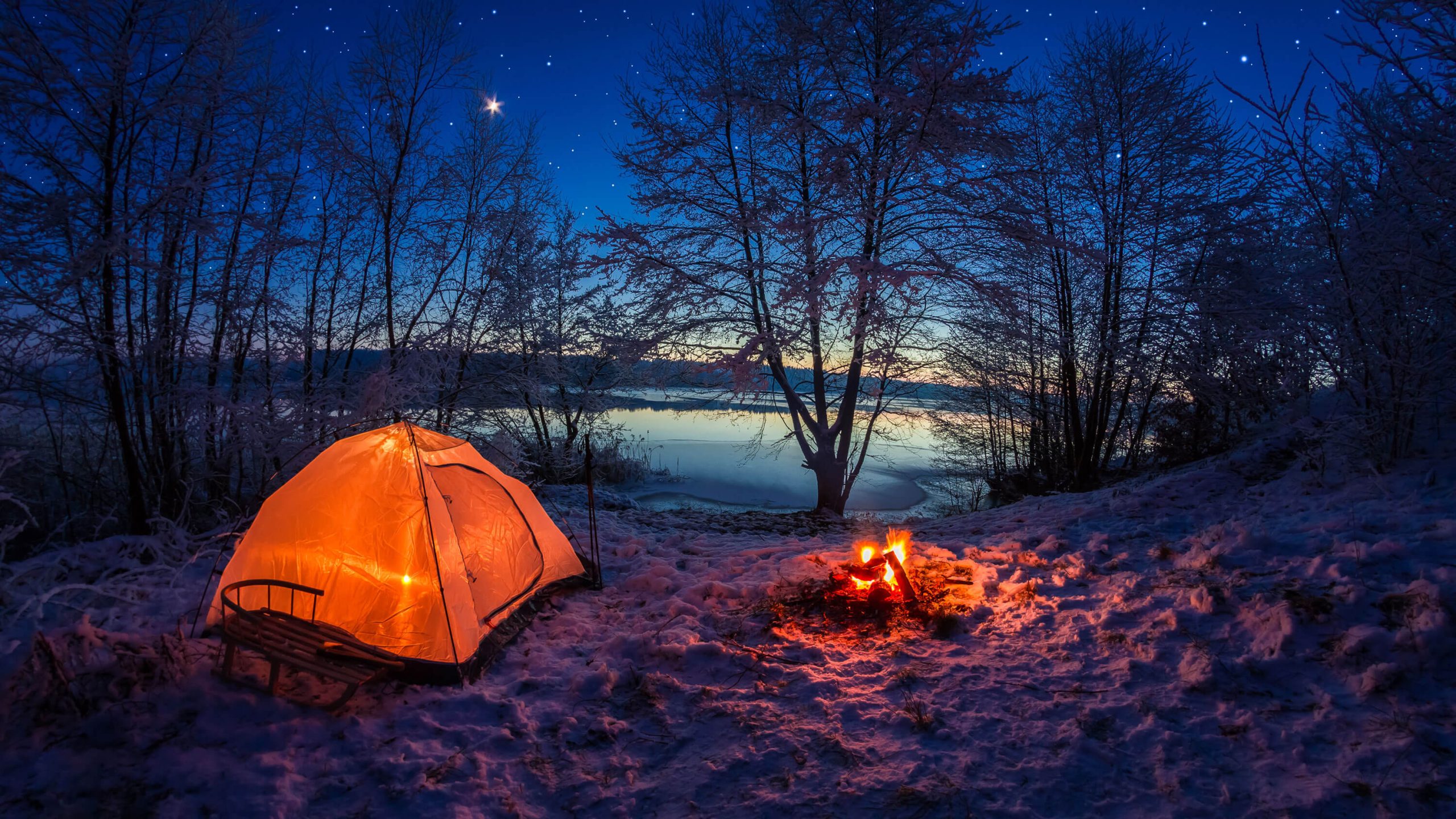
Winter camping offers a unique and serene experience, with crisp air, snow-covered landscapes, and a peaceful atmosphere. Planning a successful winter camping trip requires careful consideration of various factors to ensure both safety and enjoyment. This blog will be your winter camping essentials guide, as we’ll cover everything from packing tips to engaging winter activities, providing you with the knowledge needed for a memorable winter adventure.
Packing Essentials
Exposure to low temperatures can lead to hypothermia, frostbite, and other cold-related injuries. It’s important to have the right gear, such as insulated clothing, a warm sleeping bag, and a reliable tent. Here’s a winter camping checklist to keep you safe and warm during your adventure.
1 Cold-Weather Clothing
Ensure you have layers, including moisture-wicking base layers, insulating mid-layers, and waterproof outer layers. When it comes to cold weather gear you get what you pay for. Bigger companies such as Patagonia, Arc’teryx, and North Face make high quality gear that will last but it will cost you a pretty penny. REI is also a go-to for quality cold weather gear making everything from jackets to base layers down to socks. Speaking of socks, your feet help you control your overall body temperature so quality socks like Smartwool and Darn Tough socks. are extremely important when camping in the cold.

Winter Jacket Perfect for Cold Weather Camping
2 Sleeping Gear
Invest in a quality cold-weather sleeping bag with a lower temperature rating than you expect. A reliable sleeping pad is crucial to insulate from the frozen ground and make sure you’re staying warm while camping. Blow up air mattresses will also help keep moisture from the ground reaching your body. We would recommend a cot to keep you elevated from the ground and keep you from worrying about leaks in the air mattress. While sleeping it is good to have solid base layers to trap heat against your body, this will keep you insulated and warm throughout the night. You can also fill up a water bottle, such as a Nalgene, with warm water and put it in your sleeping bag to increase body temperature. Don’t forget to wear quality socks while you’re sleeping so you don’t wake up with cold feet.
3 Tent and Shelter
Try to set up your tent in a sheltered area that has coverage from the wind. Choose a sturdy and well-ventilated winter tent that can withstand snowfall and wind. Carry a travel snow shovel to clear the area for your tent. 4-season tents have sturdier poles and heavier fabrics than 3-season tents so they can withstand powerful gusts of wind and heavy snow.
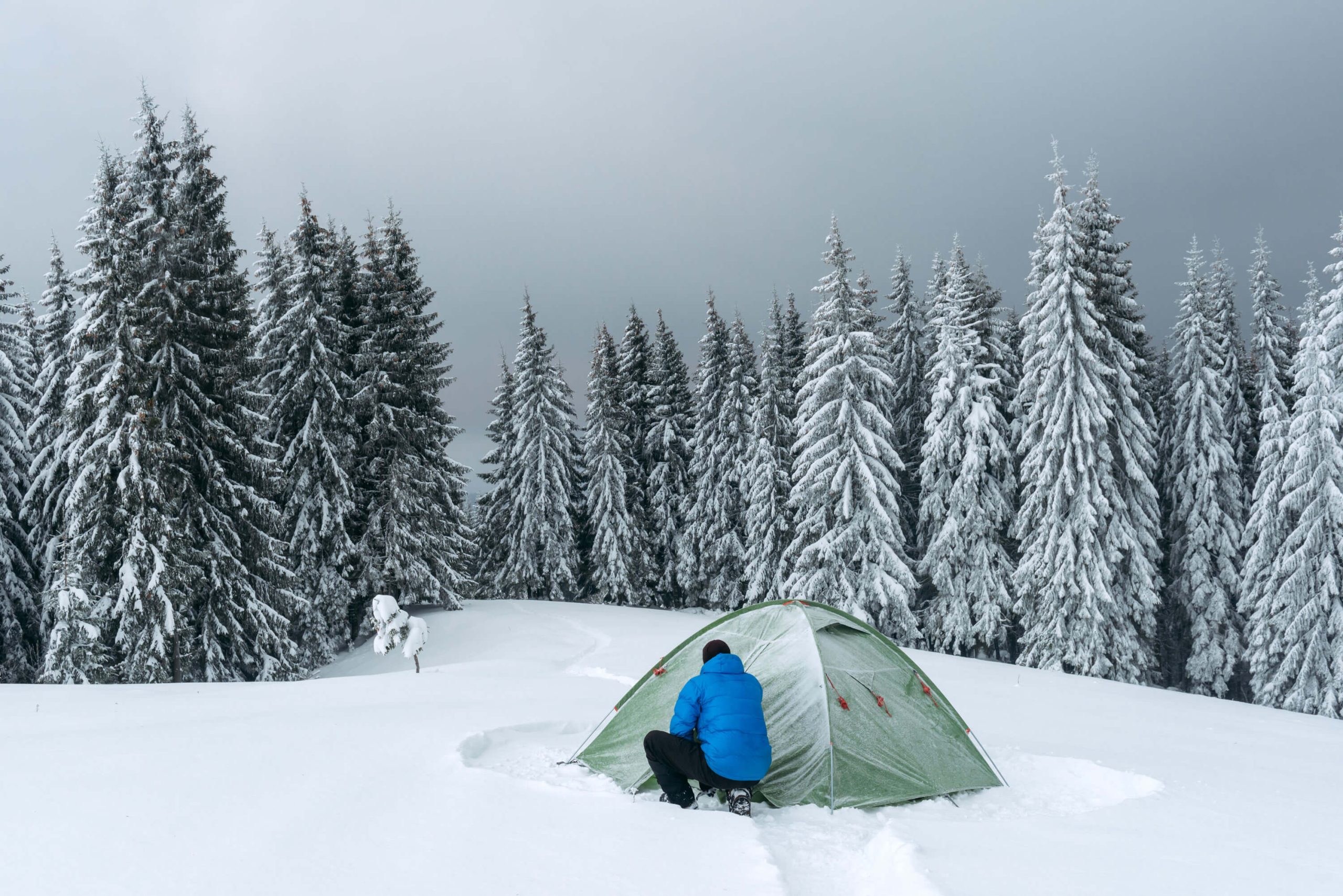
4-Season Tent in the snow
4 Cooking Equipment
Opt for a portable stove suitable for winter conditions. If you don’t want to change the fuel as often go for a propane fueled stove rather than butane. These stoves are usually reliable even when camping in freezing weather. Pack lightweight cookware and ensure you have enough fuel and food for your entire trip. You will need to consume more calories than normal because your body uses more energy keeping your body temperature elevated.
5 Safety Gear
Include a first aid kit, emergency shelter, headlamp with extra batteries, and a multi-tool. Consider carrying a GPS device or even compass for navigation in case of deep snow-covered trails.

Headlamp at night
Always Be Prepared for Winter Weather
6 Monitor Weather Conditions
Stay updated on the weather forecast and be prepared for sudden changes. Winter weather can be unpredictable, so flexibility in your plans is crucial. Keep your favorite weather app up-to-date and on hand.
7 Hydration and Nutrition
Cold weather can lead to increased water and calorie needs. Stay well-hydrated and pack high-energy, non-perishable foods. If you have the space, be sure to pack an extra supply of food and water. Some of our favorite ways to hydrate and snack are: Water boy hydration and weekend recovery, Premier protein shakes, SEEQ clear protein, Peak Refuel


8 Stay Warm and Dry
Keep your body warm by staying dry. Pack waterproof gear and take breaks to warm up if needed. Sweat can add moisture to your base layers so be sure to pack extra and cycle between them to ensure you are always dry and warm.
9 Emergency Preparedness
Follow these cold weather camping tips to be prepared and know how to recognize and treat cold-related injuries like frostbite and hypothermia. Have a plan for emergency evacuation if necessary. Watch for early signs of hypothermia. Victims are usually not aware of their hypothermia. Normal body temperature is 98.6° F.
Symptoms of Hypothermia
- Stuttering.
- Uncontrolled shivering and unreasonable behavior.
- Reduced mental awareness, incoherent speech.
- Reduced muscle coordination, slurred speech, stiffness and stumbling walk.
- Shivering may stop.
To Prevent Hypothermia
- Regulate your body temperature, avoid sweating.
- Dress properly, layer clothing for changing weather conditions.
- Carry extra food and additional clothing (avoid cotton, wool or fleece) for emergencies.
- Avoid exposure to rain and wind.
- Prevent dehydration – consume liquids.
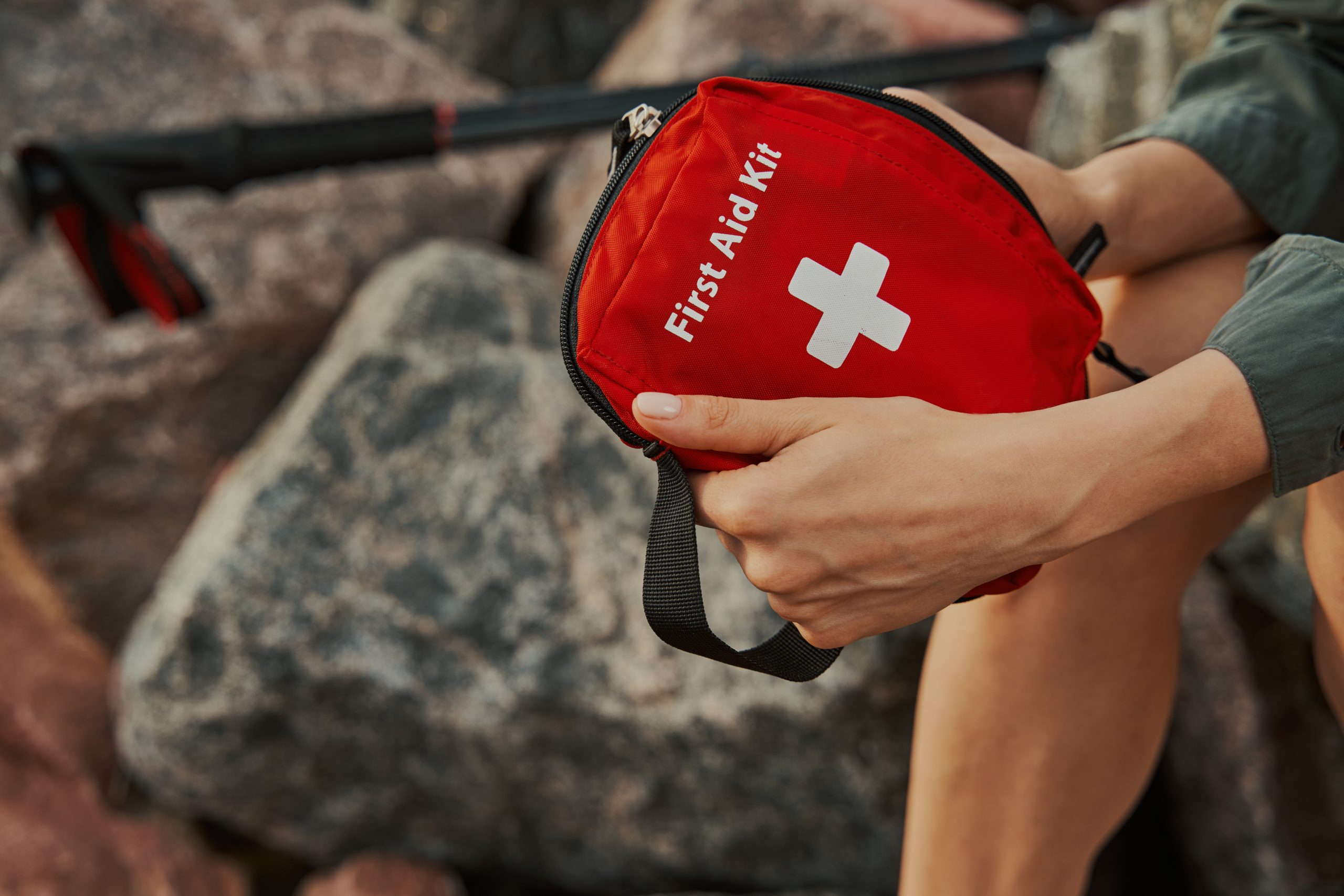
Emergency First Aid Kit
10 Make a Fire to Keep Warm
To keep warm you’re going to want to have a fire going as long as you’re at your campsite. To prepare for your fire you’re going to want to clear away as much snow as you can to create a dry base. Use a raised platform to keep the fire off the wet ground. Collect as much dry wood as you can find as well as small twigs and sticks for kindling. Bring commercial fire starters, waterproof matches, or a reliable lighter. Arrange your wood in a teepee or log cabin structure, but make sure there is space for oxygen to reach the fire. It helps to create a wind barrier to shield your fire from the wind. Most importantly stay patient, understand that starting a fire in cold weather may take more time. Ignite your kindling first and then facilitate the flames to catch the larger logs. Once your fire is going add wood as needed depending on your supply.

Friendly Campfire
Winter Activities
Favorite Winter Activities From King Willy Camping
Snowboarding at Mountain Creek
Skiing at Hunter Mountain
Setting up a campfire in the woods
Hiking the snow covered trails. Find a great trail near you with All Trails
Grilling outdoors on portable stove
Winter camping offers a magical escape into a serene and untouched world. By carefully planning and preparing for the challenges of winter weather, you can make the most of this unique outdoor experience. Remember to always create a checklist for winter camping to make sure you’re fully prepared for the elements. Embrace the chill, stay safe, and create lasting memories on your winter camping adventure.